About us
NAMPAN is a network of resource agencies, marine protected areas (MPA) managers, practitioners and relevant experts in North America. It is a network of both the ocean’s most important places and the institutions and people connected with those places. our objectivesour historyabout
Our Main Goal
Our main goal is to promote exchanges between the experts from Canada, Mexico and the United States working in MPAs, in order to improve marine conservation at the seascape level in a network of MPAs.
A Shared Ocean
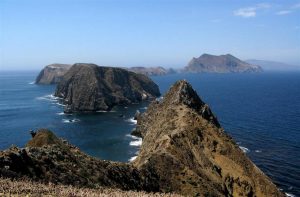
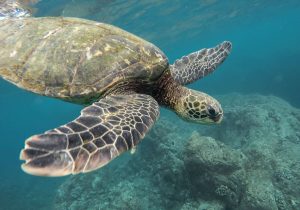
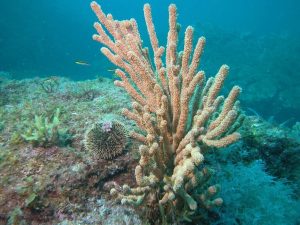
North America spans diverse marine ecosystems and habitats, ranging from coral reefs, and mangrove forests to kelp forests, rocky intertidal areas and Arctic ice. Canada, Mexico and the United States are taking action to protect ocean resources through several legal and policy tools, including MPAs.
Across the three countries, there are over 2,000 MPAs, and multiple MPA programs at different levels of government. NAMPAN provides a support mechanism for ongoing communication and collaboration among the three countries.
Our Objectives
NAMPAN aims to enhance and strengthen the conservation of biodiversity in critical marine habitats and help foster a comprehensive network of MPAs in North America.
Our mission is to connect people and places to conserve coastal and marine ecosystems by increasing knowledge and capacity to address common conservation challenges and opportunities.
Enhance collaboration
Enhance collaboration to address common challenges to marine biodiversity, sharing knowledge, technologies and management strategies.
Build partnerships
Build partnerships for complementary and integrated conservation efforts.
Raise public awareness
Raise public awareness and appreciation of the value of North America’s shared seascape and rich cultural heritage.
What are Marine Protected Areas?
IUCN defines a protected area as a clearly defined geographical space, recognized, dedicated and managed, through legal or other effective means, to achieve the long-term conservation of nature with associated ecosystem services and cultural values. For NAMPAN, Marine Protected Areas include both areas in the marine environment and, where applicable, coastal ecosystems and the Great Lakes. While the three countries have different ways of addressing coastal protected areas, NAMPAN recognizes their great ecological, social and economic values and the strong linkage between coastal and ocean processes and their communities.
Who We Are
Our History
Canada, Mexico and the United States have taken significant steps in developing and implementing MPAs and networks to protect marine ecosystems and biodiversity and contribute to thriving coastal communities and economies.
We recognize that effective implementation of MPA networks requires transboundary cooperation and complementary conservation and actions at different management levels.
In response to this challenge, NAMPAN originated in 1999 under the umbrella of the Commission for Environmental Cooperation (CEC), a tri-national government organization, through which the governments of Canada, Mexico and the United States collaborate to conserve, protect and enhance North America’s environment.
NAMPAN is supported by agencies from the three countries and is currently working to establish itself as an independent regional MPA network. From 2019 to 2024 the United Nations Environment Programme (UNEP) North America Office provided support and facilitation to NAMPAN’s activities. Since 2025, the CEC has assumed the role of Coordinating Office.